Dealing with Fear
How to cope in an uncertain world!
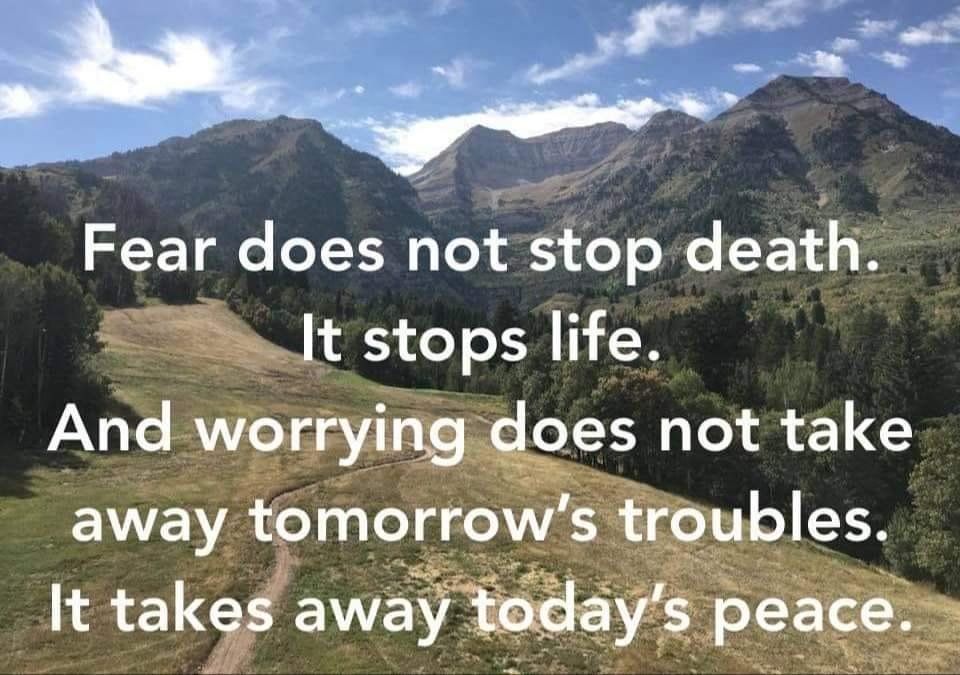
God hath not given us the spirit of fear; but of power, and of love, and of a sound mind.
2 Timothy 1:7
Fear is a driving motivator for many of us. It drives many of us to fight harder to succeed, the fear of failure drives many to greater heights. Fear as with other emotions, when carried to their due degree, is a positive phenomenon. However, when carried beyond this due degree it is a destroyer of personal tranquility and enemy to peace.
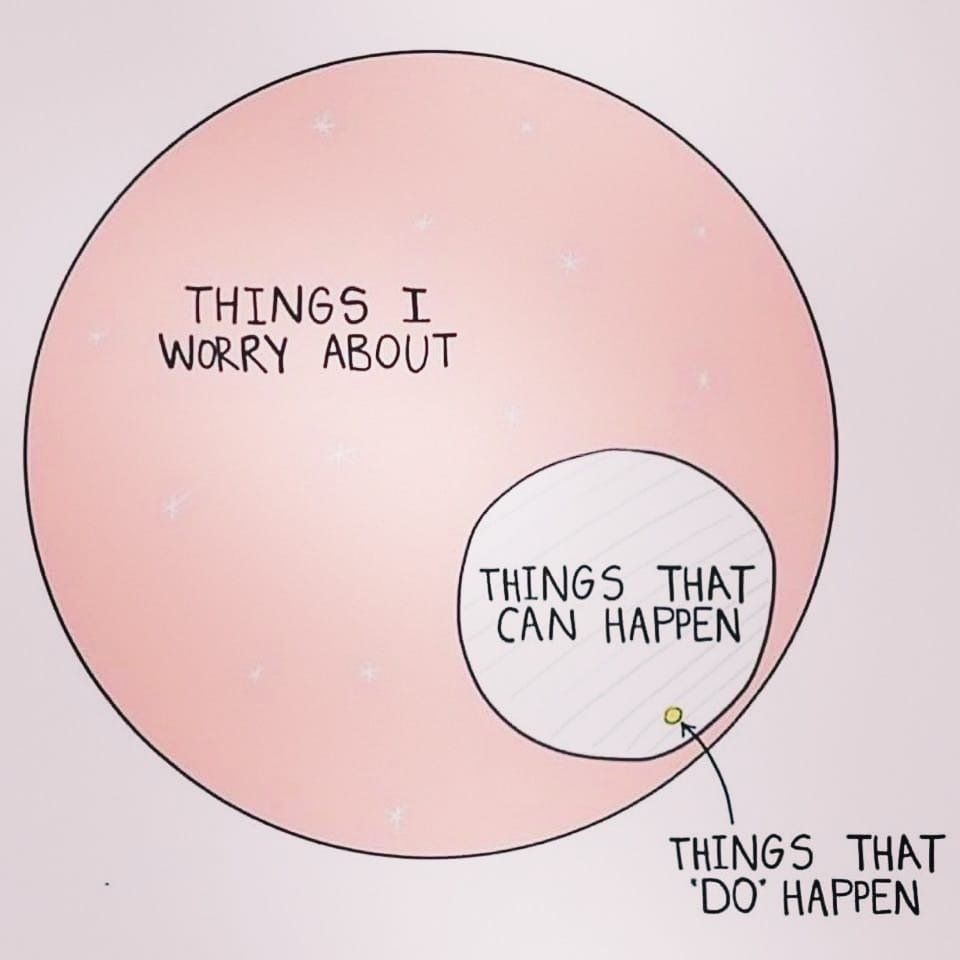
There are more things, Lucilius, likely to frighten us than there are to crush us; we suffer more often in imagination than in reality. – Moral Letters to Lucilius by Seneca
How many times have you been in the grip of fear about a possible situation only to find out that the situation did not occur? Your mind governed by fear overtook your reason and you spent a considerable amount of time lamenting the worst possibility that has not yet occurred if it occurs at all.
During this pandemic, we are besieged by daily news reports and briefings from political leaders about the current state of our nation. Inaccurate information or flat out lies are fed to the masses daily. Uncertainty is the forefather of fear. Conflicting accounts coupled with the ever-shifting medical reports suggest to us that there is no real consensus on how to deal with the problems that this pandemic had forced upon us. The result of this confusion is fear and all of its unpleasant and destructive side effects.
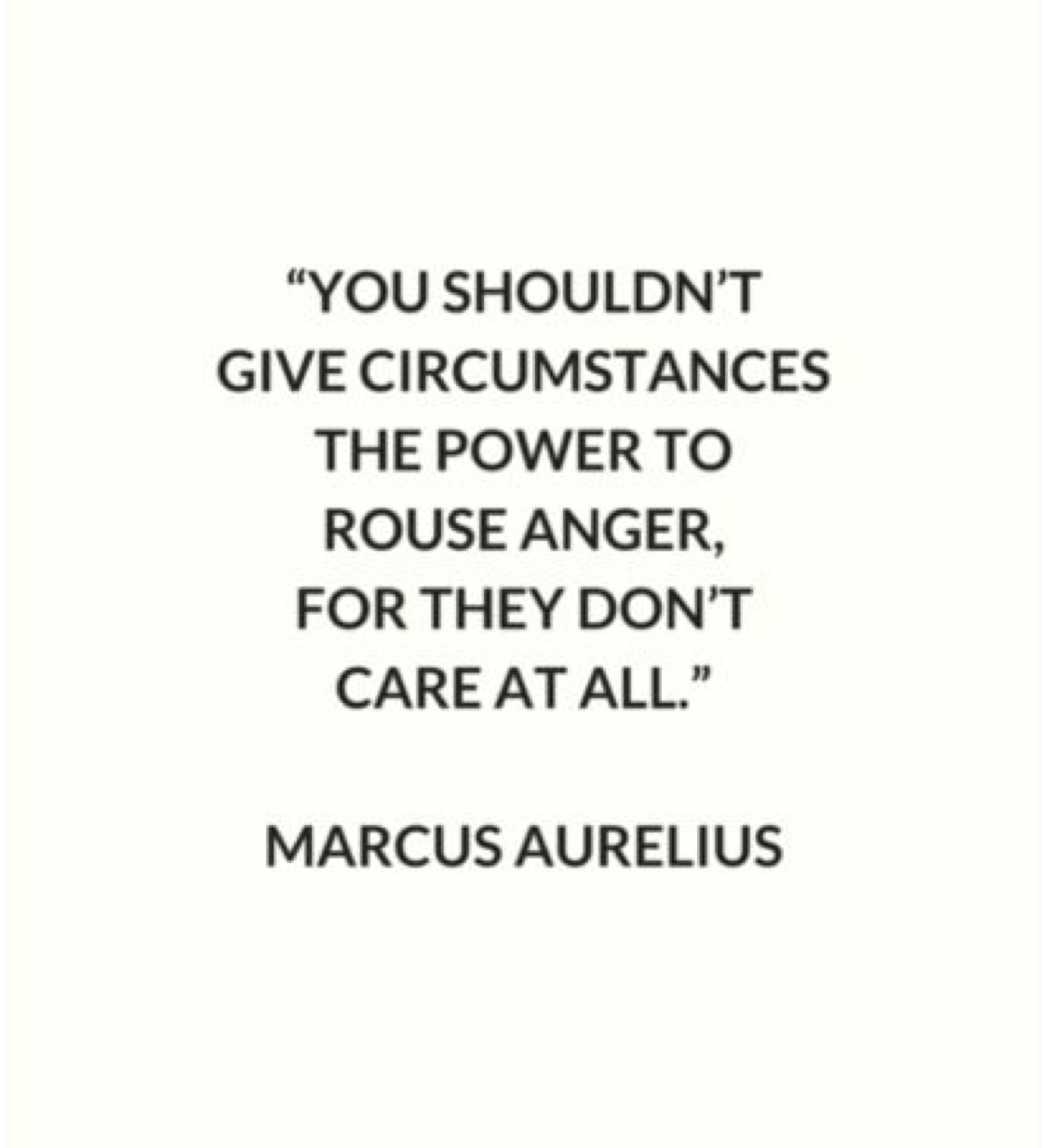
Fear forces us to look for an outlet for our anger over this uncertainty, more often than not it reveals itself in the form of xenophobic outbursts against any of the “others.” The fear permeates our society is evident when we single out a group or groups of people as the cause of our problems. The truth is that the majority of our problems come from within ourselves. Our deep-seated insecurities give rise to reactionary behavior targeted towards anyone or anything that we have convinced ourselves is the problem.
In 1958 Datsun (Now Nissan) was introduced to America, and by the 1970s the Japanese company produced smaller more gas efficient cars than was currently being produced by the United States big three automakers. The resulting fear was that American jobs were going to be lost to the Japanese automaker. I remember news reports of people with sledgehammers pounding a Datson automobile to signify their displeasure at the “non-American” competition. This outburst did nothing to solve the real issue at hand. That issue was that the big three automakers were making large gas-guzzling vehicles during an oil shortage where gas stations were running out of gasoline and there were extensive lines at the gas stations. The problem could be solved by the big three changing direction and producing vehicles that would reflect were we were in the nation at that time. Sure it would come at a cost that most automakers were not willing to bear at first. So the anti-Japanese automaker uprising began.
One of the first responses to irrational fear is to scapegoat someone or something we perceive as a threat. Oft-times that threat is only in our mind and not a reality or just plain misplaced. In today’s environment, you see people being encouraged to blame other countries for the pandemic. We wasted precious time looking for an enemy to proclaim the cause of this misery, the time we could have used to find a solution to this problem.
Lack of knowledge or understanding has produced many who wish to profit off uncertainty and fear. Food and basic consumer goods prices have risen and are harder to procure. Online retailers have had to grapple with price-gouging and fraud. We are ripe for these circumstances because fear enhanced with the help of social media has clouded our reason.
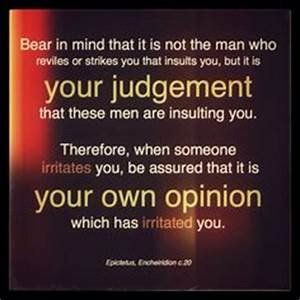
What is needed is a return to reason, as it says in 2nd Timothy “….we have been given a sound mind,” why on earth do we choose not to use it? If we follow Seneca’s reason, “we suffer more in imagination than reality” is it not possible to begin to objectively look a situation for what it is instead of what we imagine it to be? We have grown accustomed to adding meaning to events. In adding meaning we are coming from our perspective which can be flawed for any number of reasons. Our ego is another determining factor in our inability to effectively use reason. Our ego allows us to only view events in the prism of how this situation affects us. Our all too present self-love blinds us to the reality of any given situation. We must be willing to suppress our ego and bow to someone else's superior reason when presented to us. This is why we must see only what is there, not what our preconceived notions tell us, take the viewpoint of an observer from the hilltop viewing the valley below.
When we act upon instincts we are acting closer to animals than to humans. Animals react to the moment and once that moment has passed the animal doesn’t regurgitate the meaning of the event or develop a fear of a future event. We must learn to use our God-given reason to assess a situation properly and then choose an appropriate response. When we act on impulse we are eliminating the use of reason and open ourselves up to all of the pitfalls that impulsive decisions make. Our reason should implore us to examine our attitudes, decisions, and actions to assess their effectiveness and if need be chart a different course.
If you have an attitude of fear, ask yourself where does this come from? Is it based on imagination? Is it based on a prior traumatic event or concern about a possible future consequence? What are my options for dealing with this fear? Is it in my power to change anything or nothing? Asking yourself these questions will help you reason through the initial outburst of fear, or any other emotion that you may experience allowing you to rationally think through a situation and ultimately provide you with a more satisfactory outcome.
Learning to manage your emotions especially fear, is a key to experience The Good Life!